A Comprehensive Guide to Drone Technology: Features, Types, and How It Works
Drone technology has seen a rapid evolution in recent years, revolutionizing various industries and opening up new opportunities in fields such as agriculture, surveillance, and entertainment. From drone with cameras to autonomous drones, the possibilities are expanding every day. In this guide, we’ll explore the fundamentals of drone technology, how it works, the different types of drones, and key benefits. We'll also look at top providers and tips for selecting the right drone for your needs.
Understanding Drone Technology Their Applications
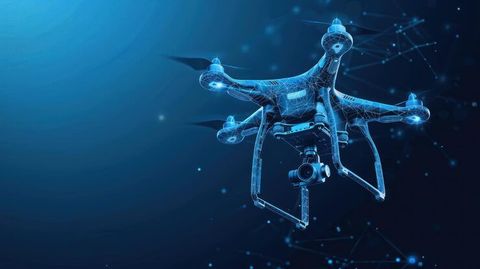
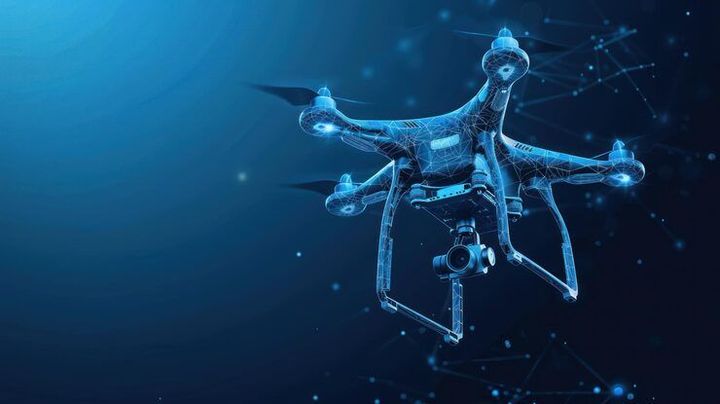
Drone technology refers to the use of unmanned aerial vehicles (UAVs) that are controlled remotely or autonomously. These aircraft come in a variety of shapes, sizes, and configurations, and they are equipped with a range of sensors and cameras. Drones are used in various industries for tasks such as aerial photography, delivery, surveillance, agriculture, and industrial inspection.
At its core, drone technology leverages flight control systems, GPS navigation, and high-resolution cameras or sensors to carry out tasks efficiently. As drone technology evolves, drones are becoming more intelligent and capable of performing complex tasks autonomously, paving the way for the next generation of unmanned aircraft.
How Drone Technology Works: From Basics to Advanced Features
Drone technology works through a combination of several key components:
- Flight Control Systems: The brain of any drone is its flight control system, which ensures stability and control during flight. These systems use gyroscopes, accelerometers, and magnetometers to maintain the drone's orientation in the air.
- GPS Navigation: Drones use GPS technology for precise positioning and autonomous navigation. This allows drones to follow predefined routes or hover in one spot, depending on the mission requirements.
- Communication Systems: Most drones use radio frequencies to communicate with the operator, sending data back and forth in real-time. Advanced models may also incorporate satellite communication systems for long-range operations.
- Sensors and Cameras: Drones are equipped with various sensors, including optical, infrared, and ultrasonic sensors, to gather data during flights. Aerial photography drones are equipped with high-definition cameras for capturing images or video from above.
- Power Source: Most drones are powered by rechargeable lithium-ion or lithium-polymer batteries, which provide the necessary energy for flight. Battery life and charging times are important factors when choosing a drone.
Different Types of Drone Technology
Drone technology has several categories based on their intended use. Let’s explore the different types of drones:
- FPV Drones (First-Person View): FPV drones are designed for high-speed racing or immersive flight experiences. With an FPV drone, pilots wear goggles that display a live video feed from the drone’s onboard camera, allowing them to experience flight from the perspective of the drone itself.
- Agricultural Drones: Agricultural drones are equipped with advanced sensors and cameras to monitor crops, check for health conditions, and apply pesticides or fertilizers. These drones are highly effective in precision farming, reducing costs and improving crop yields.
- Aerial Photography Drones: These drones are equipped with high-quality cameras that are capable of capturing stunning aerial photographs and videos. They are commonly used for real estate photography, filmmaking, surveying, and other creative purposes.
- Autonomous Drones: Autonomous drones are capable of performing tasks without direct human control. Using pre-programmed routes, GPS, and onboard sensors, these drones can perform missions like surveying, monitoring, and delivery with minimal or no intervention.
- Professional Drones: These drones are used for more specialized tasks in industries like construction, mining, energy, and inspection. Professional drones are typically more robust and come with advanced features, such as long-range flight, high-resolution cameras, and the ability to carry heavy payloads.
Key Benefits of Drone Technology
Drone technology offers numerous advantages across various sectors. Here are some key benefits:
- Improved Efficiency and Productivity: Drones can complete tasks more quickly and with greater precision compared to traditional methods. For example, agricultural drones can monitor large fields in a fraction of the time it would take a human to do so.
- Cost Savings: While drones require an initial investment, they can ultimately reduce costs. For instance, drones used for industrial inspections can save money by minimizing the need for expensive scaffolding or helicopter-based aerial surveys.
- Access to Hard-to-Reach Areas: Drones can fly into areas that are difficult or dangerous for humans to access. This is especially useful for tasks like inspecting power lines, bridges, and tall buildings.
- Enhanced Safety: By utilizing drones for tasks such as infrastructure inspection or surveillance, companies can reduce the risks to human workers. Drones can perform hazardous operations without putting people in danger.
- Real-Time Data Collection: Drones provide real-time access to data and visuals, making them ideal for situations where immediate feedback is necessary. This is particularly useful in industries like agriculture, search and rescue, and security.
Key Features of Drone Technology
Modern drones come with an array of advanced features that enhance their functionality and performance:
- High-Resolution Cameras: Many drones come with integrated cameras capable of capturing high-quality images and videos. Aerial photography drones are specifically designed to offer exceptional video and photo capabilities for creative professionals.
- Obstacle Avoidance: Some drones are equipped with sensors that help them detect and avoid obstacles, making them safer to operate in crowded or complex environments.
- Long Battery Life: Battery life is a key consideration when choosing a drone. Professional drones and agricultural drones typically have longer flight times, allowing them to cover larger areas before needing a recharge.
- Live Streaming and FPV: FPV drones and some high-end models offer live video streaming and FPV capabilities, which are particularly useful for real-time monitoring and immersive flight experiences.
- Precision GPS: Many drones come with advanced GPS systems that allow for pinpoint accuracy when it comes to navigation and flight planning, especially for autonomous drones.
Choosing the Right Drone Technology: Key Factors to Consider
Choosing the right drone depends on several factors:
- Purpose: Determine what you want the drone to do. If you need a drone with camera capabilities, look for a model with high-quality optics. If you are using it for industrial inspections, consider drones equipped with specialized sensors.
- Flight Time: Battery life is important for completing longer missions. For agriculture and surveying, drones with extended battery life are preferable.
- Camera Quality: For aerial photography drones, camera quality is critical. Look for drones with 4K cameras or higher if image quality is important.
- Payload Capacity: If you need to carry equipment or sensors, consider a drone with higher payload capacity. Professional drones often offer larger payloads for heavy-duty operations.
- Price and Warranty: Assess your budget and ensure that the drone offers value for its price. A solid warranty can also provide peace of mind in case of malfunctions.
Aftercare Tips on How to maintain Drone Technology
To ensure longevity and optimal performance, proper aftercare is essential:
- Regular Maintenance: Clean the drone after each flight, particularly the propellers and camera lenses, to prevent dirt and debris from affecting performance.
- Battery Care: Always store batteries in a cool, dry place, and avoid overcharging or undercharging them. Proper battery management extends the life of your drone.
- Firmware Updates: Many drones offer software updates that enhance features or improve performance. Keep your drone’s firmware up to date.
- Storage: Store your drone in a protective case when not in use, especially if you’re using it for FPV drones or aerial photography drones where the camera is sensitive.
- Regular Inspections: Before each flight, inspect your drone for any damage or loose parts. Ensure that all systems, including GPS and sensors, are functioning properly.
Top Drone Technology Providers
1. DJI
Overview: DJI is one of the most recognized names in the drone industry, known for producing professional-grade drones and aerial photography drones with high-end cameras. They are also popular for their ease of use and advanced features.
Cost:
- Consumer Drones: DJI’s entry-level consumer drones, like the DJI Mini 2, start at around $499.
- Professional Drones: Higher-end models, like the DJI Mavic Air 2 or DJI Air 2S, range from $799 - $1,500 depending on the model.
- Commercial Drones: DJI Matrice series (used for industrial inspections, surveying, and filmmaking) can range from $2,000 - $10,000 and even higher for advanced configurations with sensors and payloads.
- Aerial Photography Drones: The DJI Inspire 2, a professional aerial photography drone, is priced around $3,000 - $6,000 with camera and gimbal options.
2. Parrot
Overview: Parrot specializes in FPV drones for racing and agricultural drones for precision farming, offering solutions suitable for both recreational and professional drone operators.
Cost:
- FPV Drones: Parrot’s Anafi FPV is one of their top FPV drones and typically costs around $700 - $1,000 depending on the bundle and features.
- Agricultural Drones: Parrot’s Bluegrass series for agriculture starts at around $5,000 - $10,000, depending on the model and customization with sensors (multispectral, thermal, etc.).
3. Yuneec
Overview: Yuneec is known for producing both consumer and industrial drones, including models designed specifically for aerial photography and drone inspection services.
Cost:
- Consumer Drones: The Yuneec Typhoon H Plus, a popular consumer drone with a 4K camera, is priced around $1,500 - $1,800.
- Professional Drones: The Yuneec H520 is designed for industrial and professional use and typically costs around $2,500 - $3,500 for the drone alone, with additional costs for sensors (thermal, visual, etc.).
- Inspection Drones: The Yuneec H520E (a variant with enhanced features for inspections) can range from $5,000 - $10,000, depending on sensor configurations.
Conclusion
Drone technology is rapidly transforming industries across the globe. Whether you’re looking for a drone with camera for aerial photography, agricultural drones for precision farming, or autonomous drones for inspection services, there’s a drone for every need. With continuous advancements in features and capabilities, drone technology is becoming increasingly accessible, powerful, and essential for many businesses.
By understanding the different types of drones, their features, and how they work, you can make an informed decision about which drone best suits your requirements. Consider factors such as flight time, camera quality, and the specific tasks you need the drone to perform when choosing the right model. Finally, don’t forget to take care of your drone with regular maintenance, updates, and storage practices to ensure its longevity and peak performance.