Top Tips for Selecting a Professional and Memorable Domain Name
Choosing a domain name is one of the most important decisions when establishing an online presence. A domain is more than an address—it becomes part of your identity on the internet. The process involves understanding branding principles, online visibility factors, and global naming rules while keeping long-term digital identity management in mind. As online spaces grow more competitive, selecting a domain name that is easy to remember, clear, and aligned with your goals is essential.
A domain name functions as the primary gateway to any website. It provides users with a simple way to find and identify a digital platform. This need emerged as the internet expanded rapidly during the late 1990s and early 2000s, resulting in millions of websites competing for attention. As more individuals and organizations moved online, the ability to create a unique and recognizable web identity became increasingly important.
Selecting a domain name today is not only about availability. It involves understanding online branding strategies, search visibility, domain authority influence, and how people perceive names on search engines. Domains also affect website credibility factors because users often judge reliability based on clarity and professionalism. A strong domain name helps users recall the site easily and encourages consistent engagement.
Importance
A professional and memorable domain name matters because it influences several key areas:
Building Digital Identity
A domain name becomes a long-term digital asset. It represents your brand in search engines, directories, and social platforms. Clear and readable names help establish trust and recognition, especially when aligned with your broader branding theme.
Enhancing Visibility
Search engines often prioritize websites with clean naming structures. Using relevant words can support discoverability and strengthen domain reputation analysis metrics. When paired with high-quality content and technical optimization, the right domain name can contribute to strong online performance.
Improving User Experience
Simple and memorable names reduce user errors and improve navigation. Websites with complex or hard-to-spell domains risk losing visitors, especially on mobile devices where typing accuracy can be limited.
Consistency Across Platforms
A strong domain allows harmonized branding across email, social media, and other digital channels. This consistency supports audience recognition and strengthens professional identity.
Long-Term Stability
Once selected, domain names are typically retained for many years. Choosing the right one early prevents rebranding challenges, data migration issues, and loss of returning visitors.
Recent Updates
New Domain Extensions (2024–2025 Trends)
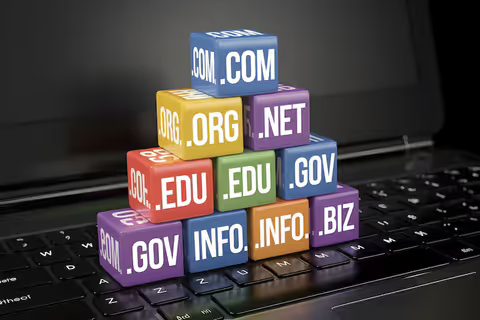
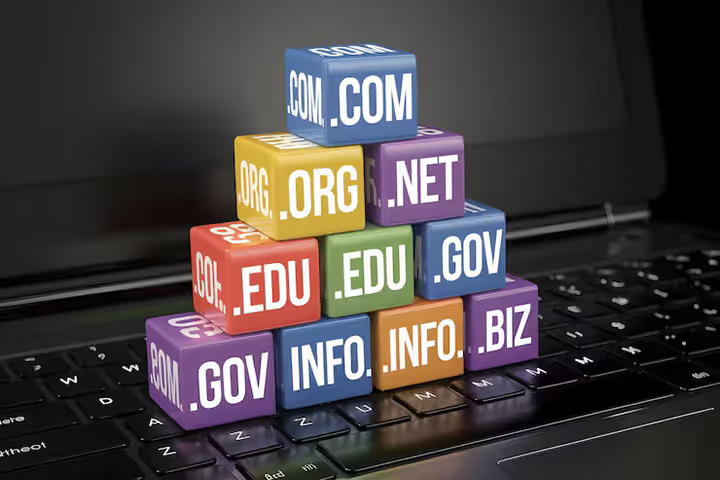
Over the past year, new top-level domains (TLDs) have gained popularity. These include descriptive extensions such as .tech, .ai, .studio, .digital, and .global (updated as of February 2025). Many online creators and businesses use these to align their identity more closely with their industry.
Security Requirements
Since 2024, many registrars encourage the use of DNSSEC (Domain Name System Security Extensions) to protect domain integrity. This helps prevent unauthorized modifications and supports overall site trust.
Shift Toward Keyword-Relevant Domains
Based on 2024 search behavior reports, users prefer shorter, keyword-aligned domains that clearly represent the website purpose. This trend influences domain authority development because clarity contributes to perceived site relevance.
International Domain Localization
With the rise of global online branding, country-specific domains such as .in, .uk, .de, .au, and .jp experienced a significant increase in registrations in late 2024. These names help audiences identify location-relevant websites quickly.
Laws or Policies
Domain names are regulated by global and regional authorities. These rules ensure fairness, security, and public accessibility.
International Standards
The Internet Corporation for Assigned Names and Numbers (ICANN) governs global domain registration. ICANN sets guidelines for:
-
Naming conventions
-
Dispute resolution policies
-
Intellectual property protections
-
Domain ownership transparency
The Uniform Domain-Name Dispute-Resolution Policy (UDRP) allows trademark owners to resolve domain conflicts legally.
Data Protection
Since the implementation of GDPR (General Data Protection Regulation) in the EU, domain registrars have limited public access to private contact information through WHOIS. This ensures user privacy and prevents misuse.
Trademark Considerations
Countries enforce trademark laws to prevent the use of protected names in domain registrations. Selecting a domain that violates trademark rules can lead to disputes, suspension, or transfer.
Country-Specific Regulations
Some nations restrict domain registrations. For example:
-
.gov domains require government authorization
-
.edu domains require educational accreditation
-
.in domains follow NIXI (National Internet Exchange of India) guidelines
Understanding these rules helps ensure smooth and compliant registration.
Tools and Resources
Several tools help evaluate domain suitability, readability, reputation, and long-term alignment. These support informed decision-making by analyzing factors such as domain authority trends, keyword relevance, and global availability.
Domain Search and Analysis Tools
| Tool Name | Purpose | Highlights |
|---|---|---|
| Namechk | Checks username/domain availability | Helps maintain consistent branding |
| Domainr | Explores creative domain options | Supports new TLD discovery |
| Whois Lookup | Provides ownership and availability details | Helps verify legitimacy |
| Moz Domain Analysis | Checks domain authority and ranking factors | Useful for visibility planning |
| Ahrefs Domain Report | Offers backlink strength and reputation insights | Supports domain reputation analysis |
Branding and Readability Tools
-
Wordoid (generates creative names)
-
Namelix (machine-generated name ideas)
-
Grammarly Tone Checker (checks clarity of domain wording)
Security and Protection Tools
-
DNSSEC validation tools
-
SSL certificate checkers
-
Safe Browsing reputation check platforms
These tools help assess whether a domain name is strong, trusted, and aligned with modern online branding expectations.
FAQs
What makes a domain name memorable?
Short length, clear spelling, and easy pronunciation make domains memorable. Names that avoid numbers, symbols, and confusing combinations help users recall and revisit the website more easily.
Should I choose a .com domain or a newer extension?
A .com domain remains widely recognized, but newer extensions such as .tech, .ai, and .blog can effectively represent specific fields. The decision depends on availability, relevance, and long-term branding goals.
Do keywords in domain names still matter?
Keywords can help users understand the website purpose and may support relevance, but search engines prioritize content quality and usability. A natural-sounding name is more important than forced keyword placement.
Can two websites have similar domain names with different extensions?
Yes, each extension is unique. However, similar names may confuse users or cause misdirected traffic. Using a distinctive combination helps maintain clear identity.
How long should a domain name ideally be?
Most experts recommend 6 to 14 characters. Short names improve readability, but clarity should always take priority over length.
Conclusion
Selecting a professional and memorable domain name requires thoughtful planning, awareness of naming trends, understanding of global regulations, and clarity about long-term digital identity goals. A strong domain contributes to credibility, recognition, and effective online presence. By exploring modern domain extensions, ensuring compliance with international policies, and using reliable evaluation tools, it becomes easier to make an informed and strategic choice. As online spaces continue to evolve, a well-chosen domain name will remain a valuable asset supporting digital growth and communication.