Vessel Design Guide: Types, Design Process, and Safety Standards
Vessel design refers to the engineering and planning process used to create ships, boats, and other marine structures that operate safely and efficiently on water. It exists to ensure that vessels can perform their intended functions—such as transportation, research, fishing, or defense—while maintaining stability, structural strength, and compliance with safety requirements.
At its core, vessel design combines naval architecture, marine engineering, and safety science. Designers consider hull shape, materials, propulsion systems, and onboard equipment to match the vessel’s operational environment. This process has evolved over centuries, driven by trade, exploration, and technological progress.
Modern vessel design also addresses environmental concerns, fuel efficiency, and regulatory compliance. As global maritime activity increases, the need for well-designed vessels becomes more critical to ensure safety at sea and sustainable operations.
Why Vessel Design Matters in Today’s World
Vessel design plays a vital role in global trade, passenger transport, offshore activities, and environmental protection. Most international goods still move by sea, making ship design a key factor in economic stability and supply chain reliability.
This field affects a wide range of stakeholders, including ship operators, port authorities, regulatory bodies, and coastal communities. A well-designed vessel reduces risks such as accidents, pollution, and operational failures. Poor design, on the other hand, can lead to safety incidents, cargo loss, or environmental damage.
Key problems that vessel design helps solve include:
-
Maritime safety risks, such as capsizing or structural failure
-
Fuel inefficiency, which increases emissions and operational impact
-
Compliance challenges with international maritime standards
-
Operational limitations in harsh or specialized marine environments
By addressing these challenges, vessel design supports safer navigation, better environmental outcomes, and long-term reliability in marine operations.
Recent Developments and Industry Trends
Over the past year, vessel design has continued to evolve in response to environmental regulations and digital innovation. In 2025, there has been increased focus on low-emission vessel concepts and improved hydrodynamic modeling.
Designers are now using advanced simulation tools to test hull forms and stability before construction begins. Digital twins and virtual prototyping allow engineers to evaluate performance under different sea conditions, reducing design errors and improving safety margins.
Another noticeable trend is the integration of alternative propulsion systems. Hybrid and electric vessel designs are becoming more common, particularly for short-sea shipping and inland waterways. Automation and decision-support systems are also influencing bridge layout and safety planning.
These updates reflect a broader shift toward sustainable marine engineering and data-driven design practices.
Rules, Regulations, and Policy Frameworks
Vessel design is closely regulated to ensure safety, environmental protection, and international consistency. Most countries follow global maritime conventions, which set minimum technical and safety standards for vessels.
Key regulatory influences include:
-
International safety conventions, covering stability, fire protection, and lifesaving equipment
-
Environmental regulations, addressing emissions, ballast water management, and pollution prevention
-
National maritime authority guidelines, which adapt international rules to local waters
Design approval typically involves classification societies that verify compliance with structural and safety requirements. These organizations review plans, calculations, and material specifications before construction.
Government policies also encourage innovation in energy-efficient vessel design through updated standards and research programs. Compliance with these frameworks is essential for vessels operating in international waters.
Common Types of Vessel Designs
Different vessel types are designed for specific functions and operating conditions. The table below provides a general overview.
| Vessel Type | Primary Purpose | Key Design Features |
|---|---|---|
| Cargo vessels | Transport of goods | Large cargo holds, strong hulls |
| Passenger vessels | Human transport | Stability, safety systems, comfort |
| Fishing vessels | Harvesting marine life | Deck equipment, storage systems |
| Research vessels | Scientific exploration | Specialized labs, precise maneuvering |
| Offshore support vessels | Energy and marine operations | High stability, dynamic positioning |
Each category requires a unique balance of strength, stability, and operational efficiency.
The Vessel Design Process Explained
The vessel design process follows a structured approach to reduce risk and ensure performance goals are met.
Concept and requirement definition
Design begins with identifying the vessel’s purpose, operating area, and capacity needs. Designers define basic dimensions and performance targets at this stage.
Preliminary design and analysis
Initial drawings and calculations are developed to assess stability, resistance, and propulsion requirements. Trade-offs between size, speed, and efficiency are evaluated.
Detailed engineering and safety planning
Structural design, material selection, and safety systems are finalized. Compliance with safety standards and regulations is verified through calculations and simulations.
Testing and validation
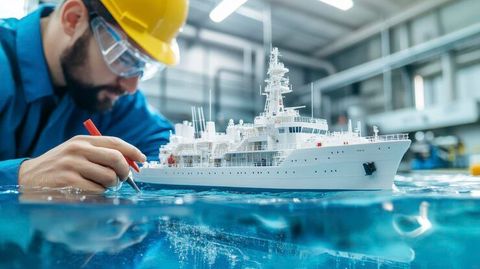
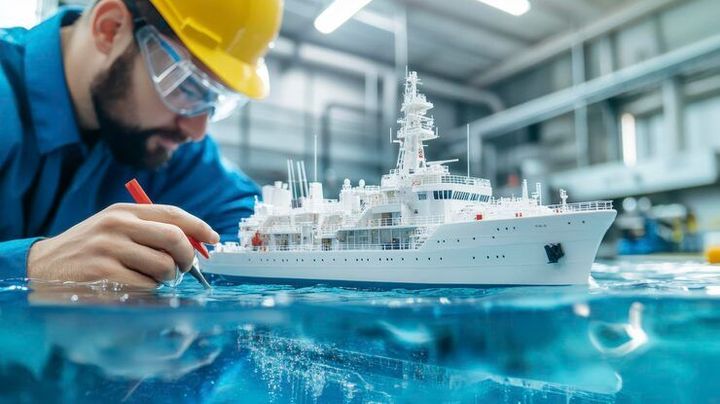
Model testing and digital simulations confirm that the vessel meets design expectations. Adjustments are made before construction approval.
This systematic process helps ensure reliable performance and regulatory compliance.
Safety Standards in Vessel Design
Safety standards are a fundamental part of vessel design. They aim to protect human life, cargo, and the marine environment.
Core safety considerations include:
-
Stability and buoyancy, ensuring the vessel remains upright in various conditions
-
Structural integrity, preventing hull failure under stress
-
Fire protection systems, reducing onboard fire risks
-
Emergency and lifesaving arrangements, supporting evacuation and rescue
The following table summarizes major safety focus areas.
| Safety Area | Design Objective |
|---|---|
| Stability | Prevent capsizing |
| Fire safety | Control and contain fires |
| Structural strength | Withstand loads and impacts |
| Emergency systems | Enable safe evacuation |
By integrating these elements early in the design process, risks can be significantly reduced.
Tools and Resources for Vessel Design
Modern vessel design relies on specialized tools and reference resources to improve accuracy and efficiency.
Helpful resources include:
-
Naval architecture software, for hull modeling and stability analysis
-
Hydrodynamic simulation tools, to predict resistance and seakeeping behavior
-
Regulatory guideline portals, providing access to updated maritime rules
-
Design calculation templates, supporting standardized engineering checks
-
Technical publications and manuals, explaining best practices in marine engineering
These tools help designers align technical performance with safety and compliance requirements.
Frequently Asked Questions About Vessel Design
What is the main goal of vessel design?
The primary goal is to create vessels that are safe, efficient, and suitable for their intended operations while meeting regulatory standards.
How long does the vessel design process usually take?
The timeline varies based on vessel size and complexity, but it typically ranges from several months to over a year.
Why are safety standards so important in vessel design?
Safety standards reduce the risk of accidents, protect lives, and ensure environmental responsibility during marine operations.
Do all vessels follow the same design rules?
While core principles are similar, specific rules vary depending on vessel type, size, and operating region.
How does environmental policy influence vessel design?
Environmental policies encourage designs that reduce emissions, improve fuel efficiency, and minimize ecological impact.
Final Thoughts on Vessel Design
Vessel design is a multidisciplinary field that supports safe and efficient maritime activity worldwide. By combining engineering principles, safety standards, and regulatory compliance, designers create vessels capable of operating reliably in diverse marine environments.
As technology advances and environmental expectations grow, vessel design continues to adapt through digital tools and innovative approaches. Understanding this process helps readers appreciate how modern ships are planned, tested, and refined to meet today’s maritime challenges.